Social impact
Most help never happens because nobody asked.
Every community has people who could help and people who need it. They rarely find each other. X-hunt is our attempt to make that small, safe and easy, wherever people are.
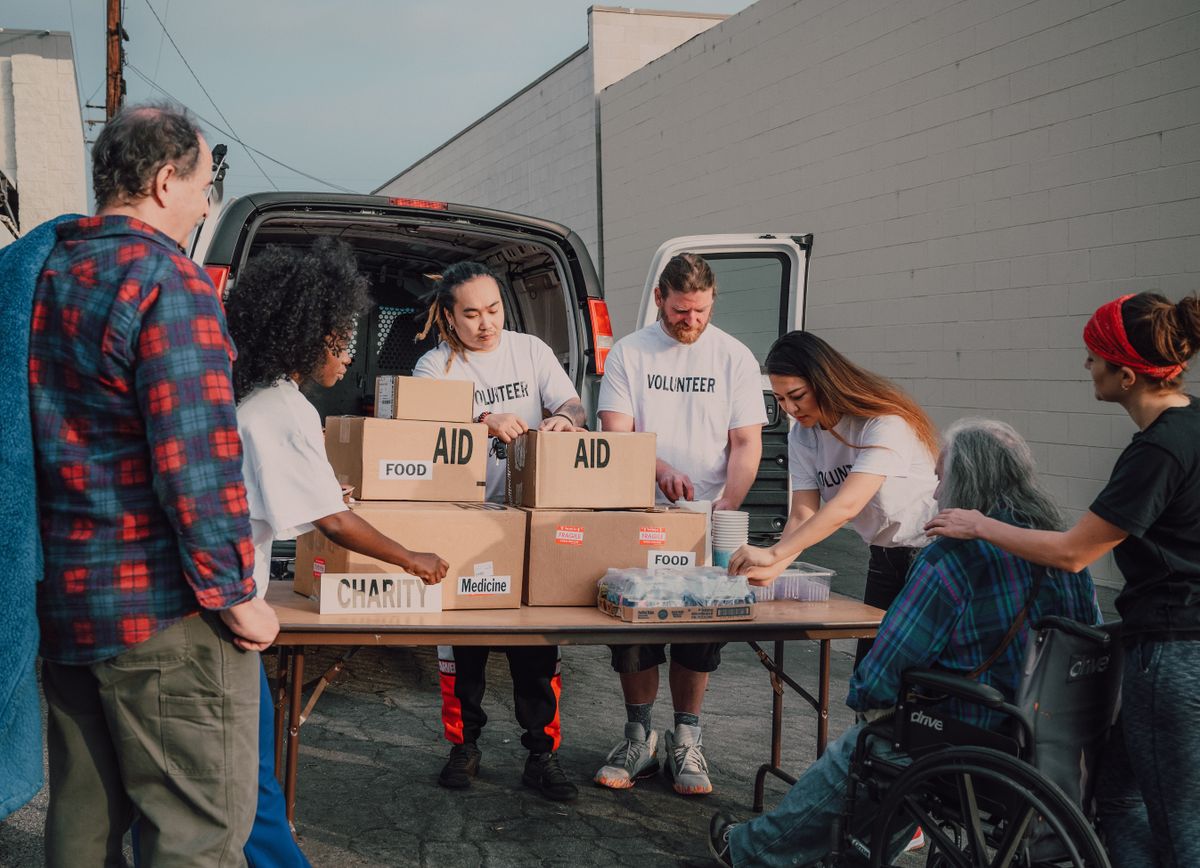
Why it matters
Good intentions get lost in the gaps.
- People hold back
- They do not know where to start, or worry they will be chased once they say yes. So skills sit unused.
- Groups run on a few volunteers
- A handful of people carry most clubs, charities and associations, and burn out.
- Distance gets in the way
- Many Nigerians, Ghanaians, Kenyans and other Africans in Ireland and Europe want to help at home, and the reverse is true too. There is rarely an easy, trusted way to do it.
- Talent stays invisible
- Students and early-career people across Africa and Europe have real skills and no network to show them.
What we do about it
Small, trusted, low-friction help.
01
Make offering easy
One sentence is enough to start. No CV, no polished profile.
02
Make saying no easy
Saying no is silent. Nobody is chased or ranked for not taking part.
03
Keep trust local
People meet through communities they already belong to, with a reason someone wrote.
04
Keep work small
Opportunities state hours and duration, so a busy person can still give one evening.
What it can look like
Everyday examples.
Illustrations of how communities use X-hunt. They are not named partners or pilot results.
- Ireland
- A GAA club in Mayo finds a member who can apply for a sports-capital grant, and a retired accountant who will check it.
- Europe
- A refugee-support group in Lisbon finds Portuguese and English speakers for two hours of form-filling a week.
- Nigeria
- A tech hub in Lagos connects its members with Irish-based engineers for code reviews before demo day.
- Across Africa
- A women-in-agriculture network in Kenya finds a marketing mentor in Accra for a three-month programme.
Measuring impact
What we will measure, and what we will not.
We would rather publish nothing than publish a number we cannot stand behind.
- We count
- Introductions accepted, opportunities filled, hours people chose to log, and communities active, as totals.
- We do not
- Track individuals for reports, score people, or sell activity data. Organisations see counts, never who did what.
- We will publish
- Our method first, then results from the pilot once there is enough real data to be honest about.
Start with one evening a month.
Offer what you can, to people you already share something with. You can stop at any time.